Featured

Catching Fire

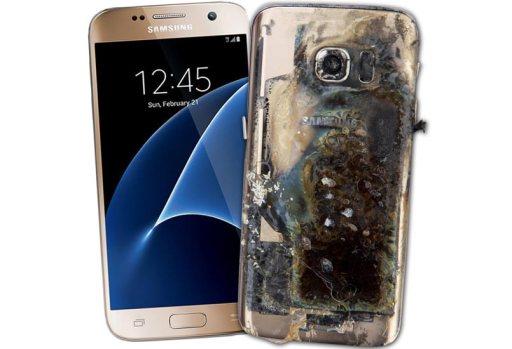
Expected to be the hottest new phone on the market in 2016, the Samsung Galaxy Note 7 was unveiled on August 2nd three weeks before the iPhone and was expected to reach about $19 million in sales. This new phone was believed to be a hit, being the first to beat an iPhone and steal some of the smart phone market share. Unfortunately for Samsung, just five days after the Note 7 release, this phone became more than just the hottest new phone on the market. The Note 7 went down in flames. Literally.

sansung fire phone

On August 24th, 2016, the first Note 7 explosion was reported and surfaced into the media. Although Note 7 sales continued throughout August and into early September, many other reports of explosions began to surface and were being brought to media attention. With so many reports of explosions, Samsung announced a total recall of 2.5 million phones on September 2nd, 2016 due to a faulty battery defect. But Samsung Engineers were never able to get a phone to explode, and had no proof or back up that it was in fact a battery defect that was causing the explosions. Therefore, Samsung just replaced the battery with a different manufacturer and sent out the Note 7 replacements right away. Samsung thought that they had fixed the problem with the Note 7, but little did they realize that their problems had just begun.southwest fire phone

It was when the Southwest Airline Flight 994 was evacuated before take-off as a response to a replacement Note 7 going up in smoke that the real problems from Samsung began. After this incident, the FAA put a traveling ban on the Samsung Galaxy Note 7 and Samsung had to cease all production of the Note 7. Launched on August 19th and killed off on October 11th, the Note 7 lasted two months on the market.

Since this incident Samsung has been blamed and reported for its unethical behavior in the matter. People believe that Samsung acted unethically in rushing their Note 7 release date to beat the iPhone 7, and that they acted unethically again in sending out dangerous replacements after the recall. The odds are against Samsung at the time. People and Stakeholders are hesitant in trusting the company and their products.

Sources:

http://www.popsci.com/samsung-note-7-catching-fire#page-2

http://businessethicscases.blogspot.com/2016/11/samsung-galaxy-note-7-explosion-2016.html

http://www.npr.org/sections/alltechconsidered/2016/10/18/497949435/in-samsung-s-messy-phone-recall-lack-of-transparency-takes-center-stage

Honesty Is The Best Policy

If Samsung could go all the way back when the Note 7 released, my course of action suggested is first that Samsung shouldn’t have rushed the first release to beat the iPhone 7 release date. Clearly the Note 7 was not ready for consumer use, and my suggestion would be for Samsung to have no even release the Note 7 when they did. If that couldn’t have been stopped and the Note 7 was released when it was then after the first reported incident of an explosion, Samsung should have sent out a mass media message with a warning, and began a recall then and there, not let the problem escalate to more explosion incidents. Samsung should have addressed the incident immediately on all platforms, including their website, Twitter, and Facebook. Samsung should be very open and honest with its customers and stakeholders, instead of beat around the bush the issue at hand. After the first recall of the Note 7, Samsung should have stopped then and there and figured out what was going wrong with the Note 7. Not jump to conclusions that it was a battery issue. Samsung should have done extensive and intensive research and testing to figure out what the real issue was with the Note 7, and be honest with their finding to the public. If Samsung were to be more honest and transparent in their addresses to the media and consumers, I think that they would be more successful in holding onto the trust of their stakeholders.

virtue ethics.jpg

The virtue theory is what I hold behind my reasoning. I think that Samsung should focus more on the means and less on the ends. By being impatient and with release date and deadlines, Samsung displayed poor judgement and poor character. Samsung released a faulty product due to impatience, and then tried covering up their damage to keep sales going. Their greed and lack of concern for their costumers was unethical. Honesty and trust are two important virtues in which Samsung disregarded during their messy damage control. Samsung broke their consumers trust in being greedy and impatient during their problem solving.

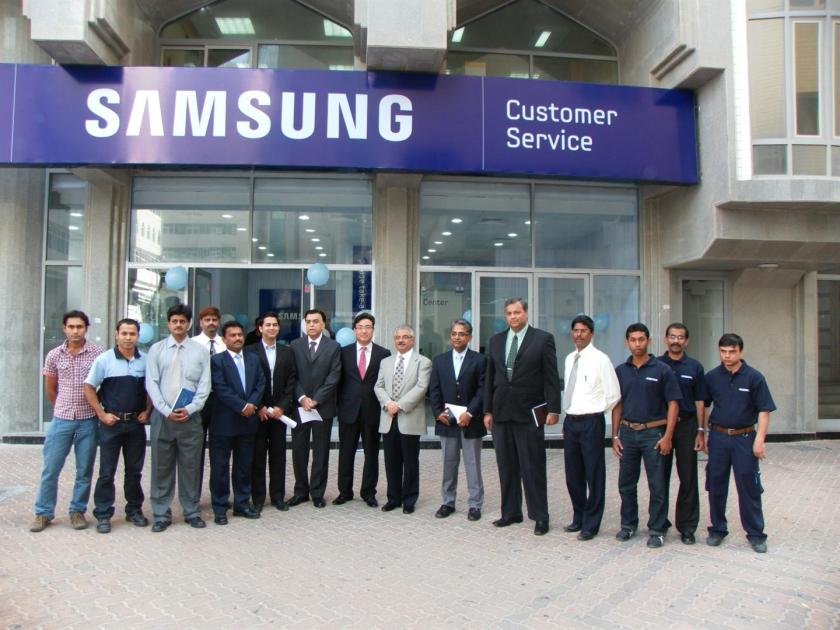
samsung customer service.jpg

If Samsung were to be more patient, honest, and compassionate in dealing with their crisis, their outcome would have been far better. Samsung should offer compassion to their hurt consumers, and try with their hardest efforts to fix their problems with the people, rather than the problems with the product. After all, it is the people buying the product, not the product buying the people.

Government Bans and Twitter Trends

One of the biggest responders to the Note 7 crisis was the government. In both South Korea and the United States, the government put bans and regulations on the Note 7. The United States Federal Aviation Administration (FAA) and The Department of Transportation (DoT) banned Samsung’s Note 7 from all domestic airline flights, announcing an emergency order. During this crisis officials, such as the Transportation Secretory Anthony Foxx stated, “We recognize that banning these phones from airlines will inconvenience some passengers, but the safety of all those aboard an aircraft must take priority. We are taking this additional step because even one fire incident inflight poses a high risk of severe personal injury and puts many lives at risk.” The Department of Transportation also said that “If passengers attempt to travel by air with their Samsung Galaxy Note 7devices, the phones may be confiscated and passengers may face fines.” The United States government took this situation very seriously as it was a great danger to the safety of people. The South Korean government also has come up with a regulatory system that binds all phone manufacturers in the nation. This new system will be implemented to avoid any causalities. It will be incumbent on all Original Equipment Manufacturers (OEMs) to report any cases of any casualty immediately. In response to the Note 7 crisis, the government took a hard stand against Samsung for the safety of the people.

note-7-airline-ban

Another big responder to this crisis is the Samsung stakeholders. All of Samsung’s customers from loyal to new, will be affected by the poor decisions made by Samsung. It will take a lot of money to earn back their customers trust. Throughout the Note 7 crisis Samsung had to do a lot of PR work in trying to respond to their upset customers on social media, such as Twitter. Throughout the entire crisis, people were tweeting on Twitter about different incidents and occasions of explosions, making harsh remarks an comments about Samsung as a company, as well as making jokes bashing the Note 7 and Samsung as a whole. Meme’s began to storm the web as people began to make jokes of the Note 7. Some of these include:

funny-reaction-to-samsung-galaxy-note-82


funny tweet.jpgTransparency and honestly are also one the of the biggest responses people had to the Note 7 crisis. Right from the beginning people said that Samsung should have been more honest about the problem. It should have been called a product recall- not an “exchange program.” That gives it a neutral, harmless sound. People were willing to forgive Samsung’s PR errors until the replacement phones began blowing up.

In a utilitarian point of view this case would seem unethical because of the consequences surrounding Samsung’s mistakes and the lack of awareness for all its stakeholders. A Kantian thinker would also be concerned about the entire process involved in the launch of the Note 7 as well. Samsung was so focused on trying to beat out Apple and the iPhone 7 that they were selfish in rushing such a product through testing and onto the shelves. Many were upset in the lack of responsibility Samsung took for the safety of people, and were upset that such a giant company would risk the safety of people to make a profit. That is where the biggest ethical dilemma stands for people. Why did Samsung force things along so quickly without thinking and endanger so many people?

Sources:

http://www.idownloadblog.com/2016/10/14/us-government-bans-samsungs-recalled-note-7-from-us-airline-flights/

https://www.socpedia.com/samsung-galaxy-note-7-aftermath-government-makes-stricter-regulations-for-exploding-phones

https://www.fastcompany.com/3064569/how-did-samsung-botch-the-galaxy-note-7-crisis-its-a-failure-of-leadership

http://businessethicscases.blogspot.com/2016/11/samsung-galaxy-note-7-explosion-2016.html
http://www.boredpanda.com/samsung-galaxy-note-7-exploding-funny-reactions/

Public Relations Nightmare

What is known to be the public relations nightmare that won’t stop unfolding. Samsung’s initial recall of the Note 7 seemed to be a bad enough issue when the phone was reported exploding multiple times, but when Samsung sent out a new and safer “exchange” phone, that’s when the public relations issue became even greater.  crisis tweetWhen the first Note 7 was reported for exploding, Samsung responded quickly on all fronts. They immediately made public statements about the news and issued a global recall of the phones within a couple of weeks. By immediately taking action, it showed that Samsung was taking the situation seriously. However, when it came to the company sharing accurate information about the situation, this is where they went wrong.

Samsung acted too quickly to this problem and had to retract a lot of their initial statements. Samsung said things like “Hong Kong customer’s phones were not at risk of exploding”, only to have to take that statement back the next day when it was discovered that, in fact, phones sold in Hong Kong were affected. Then, Samsung based the explanation for the cause of the explosions on incomplete evidence, confidently stating that the phone’s battery was the cause of the explosions. They then rushed to produce 2.5 million replacement phones using a different battery supplier, which resulted in a second and arguably worse crisis because the replacement phones started exploding too. After the replacement phones were deemed a safety hazard once again, Samsung finally admitted that they didn’t know the cause of the explosions and were forced to discontinue the Note 7 altogether.Exploding-Mobile-Phone-300x200

Along with Samsung’s issue of the faulty replacement phones, they also had an issue with transparency, and how they were delivering their messages. After Samsung halted its production of the Galaxy Note 7, it posted a statement on its website telling owners of these phones to power it down immediately and contact whomever they bought it from to obtain a refund, or an exchange. The problem with this response is that for people to read this statement, they had to click a link at the top of Samsung’s homepage with a not so urgent title of “Updated Consumer Guidance for the Galaxy Note 7.” This information seemed somewhat “inaccessible” during such a prevalent and serious issue. Also, Samsung was delayed in their posting of instructions to the company’s Facebook page and Twitter account. To most, this seemed like a baffling response and overly passive way for such a giant company to deal with such a prominent problem.

funny samsungAt first it seemed as if Samsung could handle and take control of this problem. They were quick to respond to the problem and media but that was their problem. Samsung tried to solve this problem too quickly and ended up making the Note 7 crisis even worse. By providing inaccurate information and acting too quickly, Samsung lost the trust of its customers and investors. Samsung stock also took a nosedive in mid-September, when it plunged 7% in one day. Samsung’s response to the Note 7 crisis started off strong, but unfortunately led to a bigger crisis for the company with a few significant missteps.

Sources:

https://www.nytimes.com/2016/10/12/business/media/samsungs-passive-response-to-note-7s-overheating-problem-draws-criticism.html?_r=0

https://www.fastcompany.com/3064569/how-did-samsung-botch-the-galaxy-note-7-crisis-its-a-failure-of-leadership

http://bgr.com/2016/10/10/samsung-note-7-recall-explosions-statement/

http://businessethicscases.blogspot.com/2016/11/samsung-galaxy-note-7-explosion-2016.html

http://www.npr.org/sections/alltechconsidered/2016/10/18/497949435/in-samsung-s-messy-phone-recall-lack-of-transparency-takes-center-stage

http://www.communiquepr.com/blog/?p=9133


“Inspire the World, Create the Future.”

Samsung is a South Korean multinational conglomerate headquartered in Samsung Town, Seoul. Founded by Lee Byung-chui in 1938 as a trading company, Samsung has since then entered into multiple industries including the electronics industry in the late 1960’s. When the founder Lee passed in 1987, Samsung was separated into four business groups- Samsung Group, Shinsegae Group, CJ Group, and Hansol Group. Since 1990, Samsung has increasingly globalized their electronics, primarily on its mobile phones and semiconductors.

Samsung headquarters

Samsung Electronics, in 2015 was measured to be the world’s second largest information technology company. Samsung has a powerful influence on South Korea’s economic development, politics, media, and culture. Their revenues account for up to 17% of South Korea’s GDP. Samsung’s innovative and top quality products are world recognized, making them one of the world’s leading electronics companies.

vision2020_01

Samsung has recently come out with a new vision and motto for the new decade. Their vision for 2020 is “Inspire the World, Create the Future.” This new vision reflects Samsung’s commitment to inspire its communities with their three key strengths of new technology, innovative products, and creative solutions.

As part of this vision, Samsung has mapped out goals of reaching $400 billion in revenue and becoming one of the wsamsung visionorld’s top five brands by 2020. Samsung has established three strategic approaches in its management which include- creativity, partnership, and talent. With excitement for the future, Samsung is looking to build on their previous accomplishments and look forward to exploring new territories.


Sources:

https://en.wikipedia.org/wiki/Samsung

http://www.samsung.com/us/aboutsamsung/corporateprofile/history06.html

http://www.samsung.com/us/aboutsamsung/corporateprofile/visionmission.html


Design a site like this with WordPress.com
Get started